

5 Oct 2026 · 17 min read · Amello
How to Rank Higher on Swiggy & Zomato Organically (Without Spending on Ads)
Every restaurant wants more visibility on Swiggy and Zomato.
The easiest solution seems obvious:
Spend more on ads.
Sponsored placements can increase visibility, but paying for every additional impression is not the only way to grow.
Restaurants can also improve the fundamentals that influence whether customers:
discover the restaurant → open the menu → add an item → place an order → have a good experience → order again.
That is what organic marketplace growth is really about.
There is one important caveat.
Neither Swiggy nor Zomato publishes a complete formula explaining exactly how every restaurant is ranked for every customer.
So anyone promising:
“Do these five things and you will definitely rank #1.”
is oversimplifying the problem.
What restaurants can do is improve the signals that clearly matter to marketplace discovery and customer conversion:
Menu quality
Accurate availability
Strong food photos
Relevant dish information
Customer ratings
Reliable fulfilment
Low avoidable cancellations
Competitive menu positioning
Strong conversion
External demand and brand awareness Swiggy itself describes its Menu Score tool as a way for partners to improve menu-to cart conversion and drive organic business growth. Its published data says higher-quality menus can significantly improve sales, while images, descriptions, combos, and add-ons all influence menu performance. Swiggy Diaries This is also where Amello becomes useful. Amello helps restaurants understand menu performance, sales trends, customer behaviour, content opportunities, local visibility, and competition so marketplace growth decisions can be based on the restaurant's actual business—not guesswork.

First Understand What “Ranking Higher” Actually Means
A restaurant does not necessarily have one fixed position across Swiggy or Zomato.
Visibility can change depending on:
Customer location
Search term
Cuisine
Time of day
Restaurant availability
Delivery serviceability
Customer context
Menu relevance
Marketplace merchandising
On Swiggy, current developer documentation describes restaurant search results as being sorted using a mix of distance, rating, and relevance. Swiggy That already tells us something important. A restaurant should not obsess over: “What number am I?”
A better question is: “For the customers and food searches that matter to us, are we getting enough visibility and converting that visibility into orders?”
That is a much healthier organic-growth objective.
1. Fix Your Menu Before Trying to Fix Your Ranking
Your menu is one of the strongest controllable parts of marketplace performance.
Think about the customer journey: They see your restaurant.
They open it. Then they decide whether anything looks worth ordering.
If the menu is confusing, incomplete, badly photographed, or difficult to navigate, extra impressions will not solve the problem. Swiggy has publicly emphasised menu quality through its Menu Score Tool, which reviews areas such as:
Categories
Dishes
Images
Descriptions
Combos
Add-ons
The platform says the tool is designed to improve menu-to-cart conversion and organic business growth. Swiggy Diaries
So start here.
Check:Are categories logically structured?
Are popular items easy to find?
Do dishes have useful names?
Are descriptions clear?
Are images available for important products?
Are useful variants configured?
Are relevant add-ons present?
Are combos easy to understand?
Use Amello to understand your bestsellers, slow movers, and item trends, then make sure the dishes that matter to the business are represented properly on both Swiggy and Zomato.
2. Add Strong Photos to Your Important Dishes
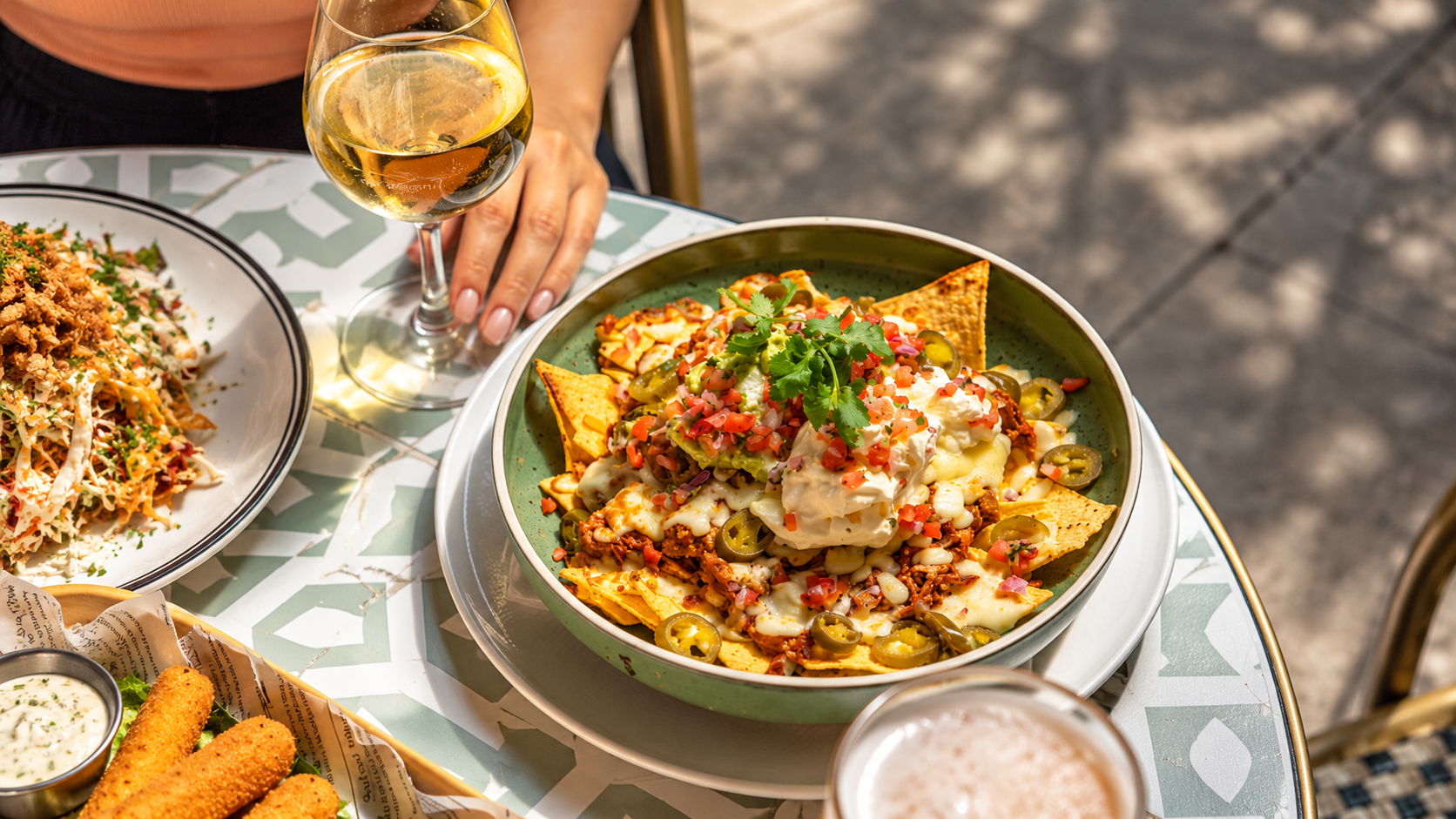
Customers eat with their eyes before they order. A text-only listing for: Paneer Tikka ₹349 has to work much harder than a clear, appetising photograph showing the actual dish. Swiggy has said in its Menu Score guidance that adding an image can make a dish significantly more likely to be ordered, while accurate images and descriptions can also reduce complaints. Swiggy Diaries
Prioritise photography for:
Bestsellers
High-volume items
Signature dishes
Profitable dishes
Combos
Newly launched items
Do not begin with the least important 50 dishes.
Improve the items customers are most likely to encounter first.
Avoid:Dark photographs
Over-edited food
Stock photography
Images that do not match the actual portion
Distracting backgrounds
The objective is not just a prettier menu.
It is better menu-to-order conversion. Use Amello to identify which dishes deserve greater marketing attention, then make sure those products look equally strong on Swiggy and Zomato.
3. Write Dish Names Customers Can Actually Understand
Creative menu names can work inside a restaurant. They can be confusing inside a search-driven marketplace. Imagine: The Emperor's Favourite versus: Smoky Paneer Tikka The second immediately tells the customer what they are looking at.
Use clear naming where appropriate. A useful structure might be: Primary dish + important differentiator Examples: Classic Veg Biryani Tandoori Paneer Pizza
Spicy Chicken Momos Chocolate Hazelnut Cheesecake Do not turn every dish title into keyword spam. The name still needs to look natural and reflect the actual product.
The objective is clarity and relevance, not stuffing ten search phrases into one title.
Amello can help identify which dishes already attract customer demand so owners can focus menu optimisation on meaningful products.
4. Write Descriptions That Help Customers Decide
Descriptions should answer:
What exactly am I getting?
Useful details can include:
Major ingredients
Portion context
Preparation style
Accompaniments
Spice level where useful
Relevant dietary information
Compare:
Paneer Pasta
with:
Penne tossed in a creamy tomato sauce with grilled paneer, garlic and herbs.
The second reduces uncertainty. Swiggy specifically includes descriptions among the menu components its Menu Score Tool evaluates. Swiggy Diaries
Better information can improve customer confidence. And greater confidence can improve conversion. Use Amello to identify important menu items, then make sure their descriptions on Swiggy and Zomato actually help customers order them.
5. Organise Your Menu Around Customer Decisions
A 150-item menu is not automatically better than a 50-item menu.
Too many choices can make ordering harder. Your categories should help customers navigate quickly.
For example:
Bestsellers
Starters
Mains
Biryani
Breads
Combos
Desserts
Beverages
Avoid:
Duplicate categories
One-item categories
Confusing naming
Unrelated products grouped together
Dozens of near-identical options
Swiggy explicitly evaluates categories as part of its Menu Score framework and benchmarks menu components against similar restaurants. Swiggy Diaries
Think of your menu like an e-commerce storefront.
The faster the customer finds something desirable, the better.

6. Keep Popular Items Available
A strong menu does little if customers repeatedly see: Unavailable
on the dishes they actually want. Swiggy documentation includes live availability as part of restaurant and item discovery, with unavailable items treated differently from orderable ones. Swiggy Operationally, frequent stockouts can also damage:
Conversion
Customer experience
Repeat behaviour
Kitchen efficiency
Identify high-demand items and make sure the restaurant has enough preparation capacity and inventory to support them. If Amello shows that a dish is suddenly growing quickly, that should influence:Procurement
Prep quantity
Menu prominence
Content
Staff planning
Do not discover a demand trend only after the product keeps going out of stock.
7. Do Not Stay “Unavailable” Longer Than Necessary
Restaurants sometimes pause online ordering because:
Kitchen is overloaded
Stock is unavailable
Staff forgot to reopen
Device issues occur
Opening hours are incorrect
Pausing when the kitchen cannot fulfil orders is responsible.
Remaining unavailable accidentally for three extra hours is lost demand.
Create an operational routine:
Before Service
Confirm both Swiggy and Zomato are available.
During Service
Pause or manage demand only when operations genuinely require it.
After the Rush
Make sure the restaurant is restored when capacity returns. Do not sacrifice customer experience to remain online. But do not accidentally disappear either.
Use Amello to understand peak and weak sales periods so restaurant teams can prepare for demand rather than constantly reacting to it.
8. Protect Your Customer Rating
Ratings are visible social proof.
Customers compare:
4.5
with:
3.7
before reading anything else.
Swiggy restaurant search documentation explicitly identifies rating as one of the signals involved in ordering restaurant results, alongside relevance and distance. Swiggy
Zomato also prominently surfaces dining and delivery ratings on restaurant pages.
But do not optimise the number in isolation.
Improve what creates the rating.
Common delivery-rating problems include:
Food arriving cold
Incorrect items
Missing add-ons
Leakage
Poor packaging
Small portions relative to expectations
Long preparation
Inconsistent quality
Review feedback regularly.
If the same complaint appears repeatedly, fix the cause.
Amello can help restaurant owners think about customer feedback together with menu and sales trends rather than treating ratings as an isolated metric.
9. Reduce Avoidable Cancellations
Imagine the customer finds your restaurant, chooses food, and places the order.
Then the restaurant cancels because: “Item unavailable.” You have lost:
The order
Customer confidence
Preparation time
Potential repeat business
Cancellations sometimes happen for legitimate reasons. The goal is to reduce preventable ones.
Track:Stock-related cancellations
Capacity-related cancellations
Menu mistakes
Technical issues
Item mapping problems
Incorrect operating hours
Do not assume cancellations are simply part of delivery. Repeated cancellation patterns usually point to an operational process that needs fixing.
10. Keep Preparation Time Under Control
Customers do not evaluate your restaurant only on food.
They evaluate the entire delivery experience.
If preparation becomes slow:
Delivery becomes slower
Riders wait longer
Food quality may deteriorate
Customers may become dissatisfied
Swiggy states in its corporate disclosures that its technology uses factors including food preparation time and demand patterns when managing food-delivery operations. Swiggy That does not mean there is a publicly disclosed formula saying:
“Reduce prep time by five minutes and move up three positions.”
There isn't. But faster, more reliable fulfilment improves the overall marketplace experience.
Track preparation time by:Day
Hour
Menu item
Outlet
If Friday 8 PM consistently causes problems, fix staffing or menu complexity before chasing more traffic. Use Amello to understand sales patterns so restaurant teams can anticipate the periods when operations need additional support.
11. Promote Your Bestsellers Organically Inside the Menu
Not every dish deserves equal prominence. Customers often want reassurance: “What does everyone else order?” A useful bestseller section can reduce decision time.
Use your actual sales data. Amello can help restaurants understand:
Bestselling items
Growing items
Declining items
Slow movers
Then use those insights when deciding what deserves:Better photography
Better descriptions
Stronger category placement
A combo
Social content
Do not choose your “hero dish” because the owner personally likes it.
Let customer behaviour influence the decision.
12. Create Relevant Combos and Add-Ons
Combos can improve both ordering convenience and average order value.
Examples:
Burger + fries + beverage
Biryani + raita + dessert
Pizza + garlic bread
Family meal + beverages
Swiggy says relevant combos and add-ons can improve AOV and includes both as key elements of its Menu Score Tool. Swiggy Diaries
The important word is: relevant. Do not attach random add-ons to every dish.
Use real ordering behaviour. If Amello shows certain products frequently perform strongly or are natural complements, consider how those combinations can be represented more effectively on Swiggy and Zomato.
13. Make Your Prices Competitive Without Starting a Discount War
Organic growth does not mean being the cheapest restaurant. But customers can compare alternatives within seconds. Suppose similar restaurants sell:
Paneer tikka: ₹320–₹380 and yours is: ₹525 Customers need a clear reason for that difference.
Maybe:
Portion is larger
Ingredients are premium
Brand is stronger
Packaging is better
Product is genuinely differentiated
If there is no perceived reason, conversion may suffer.
Compare:Price band
Portion
Rating
Menu quality
Competitor positioning
Amello can help restaurants understand relevant nearby competition and price-positioning context so decisions are grounded in the local market.
But avoid the opposite mistake: Do not automatically underprice everything just to win orders. High order volume with poor unit economics is not growth.
14. Do Not Depend on Discounts for “Organic” Growth
If every order requires: 30% OFF then the growth is not truly organic.
Customers may simply be buying the discount.
A healthier menu should still create demand through:
Food quality
Strong presentation
Ratings
Price-value perception
Brand familiarity
Menu relevance
Repeat behaviour
Promotions have a role.
But if the restaurant disappears the moment the promotion stops, the underlying proposition still needs work. Use Amello to identify whether a problem is actually:Weak demand
Weak menu
Poor customer retention
Weak local discovery
Slow period
Wrong product promotion
rather than assuming another discount is always the answer.
15. Drive Free External Traffic to Your Marketplace Pages
Organic marketplace growth does not have to originate entirely inside the marketplace.
Your restaurant already has:
Instagram
WhatsApp
Google
Website
Existing customers
Offline visitors
Use those surfaces to generate demand.
Swiggy provides Smart Links specifically so restaurant partners can share links through social media, WhatsApp, and other channels that take customers directly to their menu. Swiggy has reported that Smart Links generated millions of menu sessions and, in examples it published, increased menu visits and orders for participating restaurants. Swiggy Diaries This is powerful because it changes the problem from:
“How do I wait for the app to discover me?”
to: “How do I create my own demand and send it to my restaurant page?”
You can similarly use the appropriate restaurant page link from Zomato in your owned marketing channels where useful. Use Amello to decide what should be promoted, then distribute that message across:Instagram
WhatsApp
Google Business Profile
Website
Social content
16. Use Social Media to Create Demand Before Customers Open the App
Restaurants often treat social media and marketplace delivery as separate systems.
They should support each other.
Imagine Amello shows: Your chilli garlic noodles are rapidly growing.
Create:
Reel of the noodles being tossed
Close-up plating video
Story poll
Customer reaction
Behind-the-scenes preparation
Then give customers an easy path to order through Swiggy or Zomato where appropriate.
Now you are bringing demand into the marketplace rather than relying only on marketplace discovery.
Amello helps connect content planning with actual restaurant performance.
That is stronger than posting a random dish every day.
17. Build Brand Searches
One of the strongest long-term forms of marketplace demand is when customers stop searching: “pizza” and start searching: “Your Restaurant Name.” That means the restaurant has created brand demand.
Build this through:
Great food
Memorable packaging
Social media
Google visibility
Repeat customers
Offline experience
Word of mouth
Local creators
Community presence
A strong brand reduces dependence on competing for generic discovery every time.
Amello helps restaurants work on multiple growth surfaces together, including Google, content, customer retention, competition, and website opportunities.
The stronger the restaurant becomes outside Swiggy and Zomato, the more customers may intentionally look for it inside those platforms.
18. Improve Repeat Customer Behaviour
The cheapest order to win is often from someone who already likes the restaurant.
A customer who remembers: “That biryani was excellent.”
does not need the same level of persuasion as someone discovering you for the first time.
Build repeat demand through your legitimate owned customer relationships.
Amello can help restaurants understand customer cohorts such as:
First-time customers
Repeat customers
Frequent customers
High-value customers
Inactive customers
Then create relevant retention actions across your owned channels.
Do not violate Swiggy or Zomato terms by improperly extracting or soliciting marketplace customer information. Build customer relationships through legitimate touchpoints such as:Dine-in
Direct ordering
Reservations
Opt-in WhatsApp
Website
Loyalty
Events
A stronger restaurant brand creates stronger demand everywhere.
19. Optimize for the Search Intent That Actually Fits Your Restaurant
Trying to appear for everything is not useful. A premium North Indian restaurant does not need to behave as if it serves: pizza + sushi + burgers + biryani + coffee + desserts
unless it genuinely does. Focus on what the restaurant is actually good at.
Examples:
North Indian
Biryani
Pizza
Healthy bowls
South Indian
Desserts
Coffee
Your categories, menu items, descriptions, images, and brand positioning should reinforce the same proposition. The more coherent the restaurant is, the easier it is for customers to understand. Use Amello to compare nearby restaurants and identify where your proposition has a genuine opportunity rather than copying every competitor.
20. Compare the Right Competitors
Do not compare a neighbourhood ₹300-AOV cafe with a premium ₹1,500-AOV dining brand. Useful competitive analysis considers:
Cuisine
Price band
Customer intent
Delivery format
Geography
Menu overlap
Occasion
Then compare:Ratings
Prices
Menu structure
Photography
Bestsellers
Combos
Availability
Positioning
Swiggy itself offers restaurant partners a Market Intelligence Dashboard that benchmarks restaurants using 30+ business and operational metrics against similar local players. Swiggy Diaries Amello can add broader competitor context across local visibility and restaurant growth, helping owners identify where their business may be under-positioned.
21. Improve Operations Before Trying to Generate More Demand
This is where many growth strategies fail. The restaurant says: “We need more orders.”
But:
Prep times are already high
Bestsellers go out of stock
Ratings are falling
Packaging complaints are growing
Kitchen capacity is stretched
Increasing discovery at that point may make the business worse.
Before chasing additional visibility, ask:
Can we successfully fulfil more demand?
Use Amello to understand business patterns and identify when certain items or periods are growing. Growth marketing and restaurant operations need to move together.
22. Track Menu-to-Order Conversion, Not Just Impressions
Visibility is only the top of the funnel. Imagine: 10,000 people see your restaurant 2,000 open the menu 300 order Another restaurant gets: 6,000 impressions 2,500 menu visits
800 orders Which business has the stronger organic engine?
Probably the second. This is why menu conversion matters. Swiggy explicitly positions its Menu Score Tool around improving menu-to-cart conversion. Swiggy Diaries
Instead of asking: “Why don't we get enough impressions?”
also ask: “What happens after somebody opens our restaurant?”
Improve:
First-screen dishes
Images
Pricing
Descriptions
Categories
Availability
Add-ons
Combos
Use Amello to understand the underlying menu and sales performance that should inform those decisions.
23. Avoid Manipulative Shortcuts
Restaurants looking for fast ranking gains may be tempted by:
Fake reviews
Artificial orders
Misleading menu information
Fake discounts
Copying competitors
Misrepresenting products
These tactics create platform risk and customer distrust.
Even when they create a temporary metric increase, they do not build a stronger restaurant. Organic growth should come from:
better discovery + better conversion + better fulfilment + better retention.
That is slower than a hack. It is also much more sustainable.
Use Amello to Build a Better Organic Marketplace Strategy
The difficult part of organic growth is deciding what to improve first. Your Swiggy menu may need better photos. Your Zomato listing may need menu cleanup. Your restaurant may have poor repeat behaviour. Your bestseller may be hidden.
Your slow periods may need external demand. Your Google presence may be weak.
This is where Amello helps.
Amello Helps Identify Bestsellers
Use Amello to understand which menu items already drive customer demand.
Then make sure those dishes are presented strongly on Swiggy and Zomato.
Amello Helps Find Slow Movers
Amello can help identify items whose performance is declining so the restaurant can decide whether to improve, reposition, bundle, or reconsider them.
Amello Helps Understand Item Trends
If an item suddenly starts growing, Amello can help turn that signal into:
Better marketplace presentation
More inventory
Social content
Google content
A relevant campaign
Amello Helps Understand Customers
Amello helps restaurants work with customer cohorts and retention opportunities using the customer information available through the restaurant's connected systems.
Amello Helps With Competitor Context
Use Amello to understand relevant competitors rather than benchmarking against completely different restaurants.
Amello Helps Build External Demand
Amello can help restaurants improve Google visibility, website opportunities, and content strategy so all customer discovery does not have to begin inside Swiggy or Zomato.
A Weekly Organic Ranking Routine With Amello
Organic marketplace growth should be managed like a process.
Monday: Review Menu Performance in Amello
Use Amello to identify:
Bestsellers
Slow movers
Growing dishes
Sales changes
Tuesday: Improve Two Menu Items
On Swiggy and Zomato, improve:
Photo
Description
Category placement
Add-ons
where appropriate.
Wednesday: Review Customer Feedback
Look at:
Ratings
Complaints
Packaging
Food quality
Missing items
Then fix one recurring issue.
Thursday: Check Availability
Identify important items that regularly go out of stock and solve the operational cause.
Friday: Compare Competitors
Review:
Pricing
Menu
Photos
Ratings
Positioning
Use Amello for broader competitor and local-growth context.
Weekend: Generate External Demand
Create content around a strong-performing item and direct interested customers toward your appropriate Swiggy or Zomato ordering experience. Then repeat.
This creates the Amello growth loop: Understand → Improve → Promote → Measure → Repeat.
Organic Swiggy & Zomato Growth Checklist
Before spending more on ads, check:
Menu categories are logical
Bestsellers are easy to discover
Important dishes have photos
Descriptions are useful
Prices are competitive for your segment
Important items stay available
Restaurant operating hours are correct
Avoidable cancellations are low
Preparation process is reliable
Packaging protects the food
Customer ratings are healthy
Repeated negative feedback is addressed
Relevant add-ons are available
Useful combos are available
External social traffic is being used
Google visibility is improving
Customer retention is being built
Relevant competitors are reviewed
Menu trends are reviewed in Amello
Content priorities are informed by Amello
Marketplace performance is evaluated by conversion and business outcomes—not impressions alone
Common Organic Ranking Mistakes
Assuming Ads Are the Only Way to Get Visibility
Paid placement can help, but menu quality, conversion, ratings, availability, brand demand, and customer experience still matter.
Adding Hundreds of Items
More choice does not automatically mean better conversion.
Using Poor or Missing Food Photos
Important dishes should be visually clear and appetising.
Keeping Bestsellers Out of Stock
You cannot convert demand for something customers cannot order.
Buying Fake Reviews
Build genuine customer satisfaction instead.
Discounting Everything
You may increase orders without building profitable organic demand.
Ignoring Conversion
Visibility without orders is not useful.
Ignoring Operations
More traffic sent to a restaurant that cannot fulfil orders can hurt customer experience.
Expecting Amello to Control Marketplace Rankings
Amello does not need to “hack” the ranking algorithms of Swiggy or Zomato.
The value of Amello is helping the restaurant understand its sales, menu, customers, visibility, competition, and marketing opportunities so owners can make better decisions around those marketplaces.
The Best Organic Ranking Strategy Is to Build a Restaurant Customers Want to Choose
The temptation is to search for: “Swiggy ranking algorithm hack.”
or: “Zomato ranking trick.” But sustainable marketplace growth usually comes from improving the fundamentals.
Customers need to:
Find you.
Then:
Understand your menu.
Then:
Want something.
Then:
Trust the restaurant.
Then:
Receive a good order.
Then:
Want to come back.
Improve every step.
Use Swiggy and Zomato as important distribution channels. Use your operations to deliver a consistently strong customer experience. And use Amello to understand what the restaurant should improve next. The goal is not to trick an algorithm.
The goal is to create a restaurant that performs well enough that customers and therefore the marketplaces serving them have good reasons to keep choosing it.
Frequently Asked Questions
Can You Rank Higher on Swiggy Without Paying for Ads?
Yes, restaurants can improve organic performance on Swiggy by strengthening fundamentals such as menu quality, relevant photos and descriptions, availability, ratings, customer experience, and conversion. Swiggy itself describes its Menu Score Tool as supporting better menu conversion and organic business growth. Swiggy Diaries
Can You Rank Higher on Zomato Without Ads?
Restaurants can improve the quality and attractiveness of their presence on Zomato through accurate menus, strong images, good customer experiences, ratings, availability, and clear positioning. However, Zomato does not publicly disclose a complete organic-ranking formula, so no legitimate strategy can guarantee a specific position.
Do Ratings Affect Swiggy Ranking?
Current Swiggy restaurant-search documentation describes results as being sorted through a mix of distance, rating, and relevance. Swiggy
Do Menu Photos Help Get More Orders?
Yes. Swiggy has published data saying dishes with images are substantially more likely to be ordered and identifies images as a key part of its Menu Score optimisation framework. Swiggy Diaries
Should Restaurants Use Discounts to Improve Organic Visibility?
Discounts can increase conversion or demand, but constantly paying for discounts is not the same as building organic growth. Restaurants should understand whether promotional orders remain profitable and whether demand continues when the offer ends.
Should I Focus on Swiggy or Zomato?
There is no universal answer. Compare your actual performance on Swiggy and Zomato across orders, AOV, menu performance, customer response, promotions, costs, and contribution rather than deciding based only on total order count.
How Can Amello Help With Swiggy and Zomato Organic Growth?
Amello helps restaurants understand sales trends, bestsellers, slow movers, customer cohorts, competitors, Google visibility, website opportunities, and content priorities. Those insights can help restaurants make better decisions about what to improve or promote on Swiggy and Zomato without depending entirely on paid advertising.
See what Amello finds for your restaurant.
Get a free AI growth audit of your listing, reviews and local search presence.
Find my Restaurant