

25 Sept 2026 · 10 min read · Amello
Restaurant Menu Optimization: How to Sell More With Your Menu
Your menu is more than a list of dishes. It is one of the most powerful sales tools inside your restaurant. Every item name, description, photograph, price, category, placement, and recommendation can influence what a customer chooses. But many restaurants build menus once and then barely change them. A dish might stop selling. A high-margin item might remain hidden. A popular combination might never be promoted. A customer may struggle to understand what to order. That is where restaurant menu optimization becomes valuable. The goal is not simply to make the menu look better. The goal is to make the menu easier to understand, easier to order from, and more effective at driving profitable sales. This is exactly where Amello can help. Amello helps restaurants understand item performance, sales patterns, customer behaviour, and menu trends so restaurant owners can make decisions based on actual demand instead of guesswork.
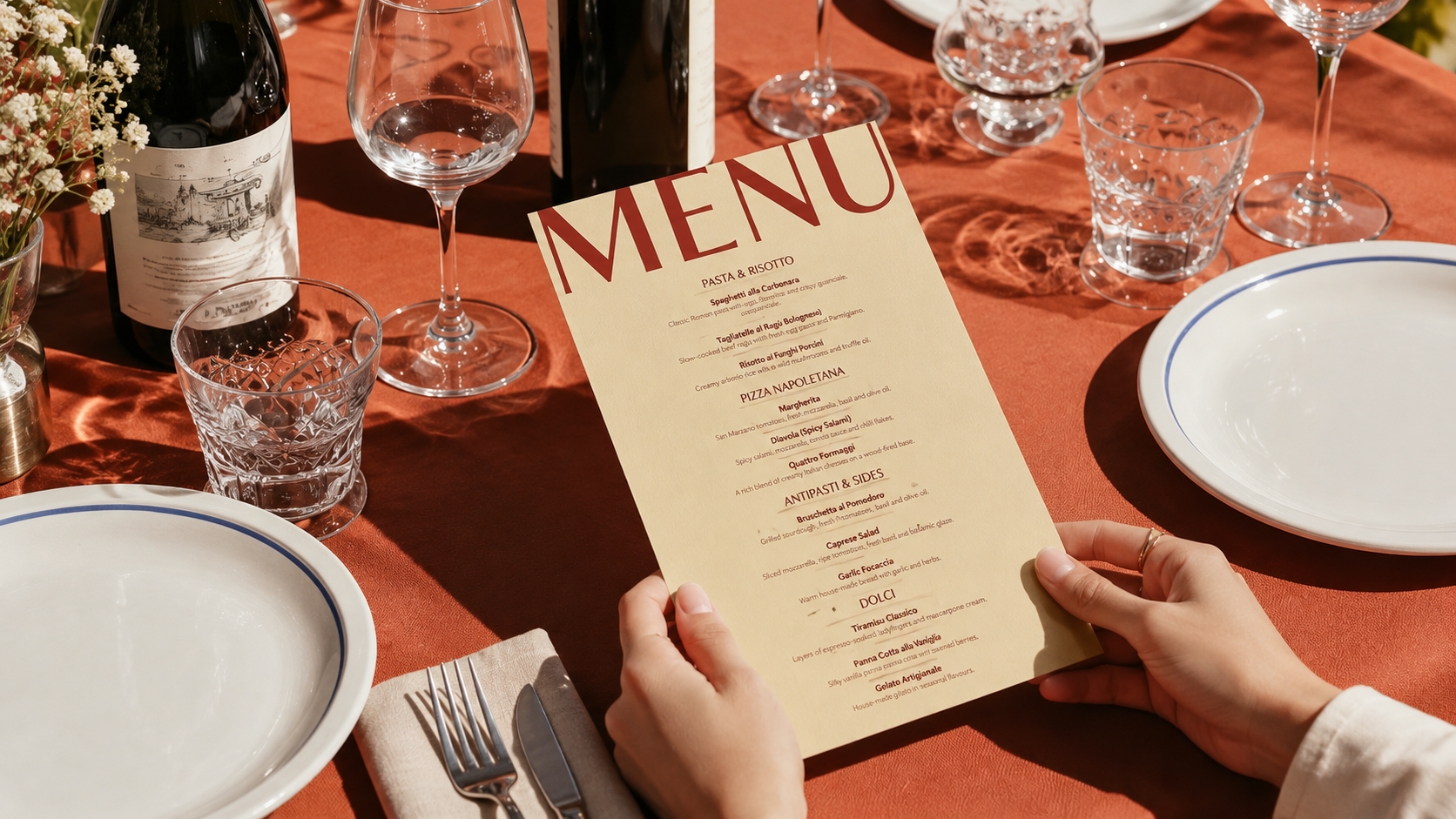
What Is Restaurant Menu Optimization?
Restaurant menu optimization is the process of improving your menu based on customer behaviour, item performance, pricing, profitability, and presentation.
It involves understanding:
What customers order most
Which dishes generate strong revenue
Which items have healthy margins
Which items are losing demand
Which dishes are frequently ordered together
Which categories are underperforming
Which items deserve more visibility
Where customers may be getting confused
A well-optimized menu should help customers decide faster while guiding them toward items that are good for both the guest and the restaurant.
With Amello, menu optimization can become an ongoing process rather than a one-time redesign.
1. Start With Actual Menu Performance
Before changing your menu, understand how each item is performing.
Do not begin with:
“Which dishes do we think customers like?”
Start with:
“What are customers actually ordering?”
Look at:
Number of orders
Revenue generated
Average selling price
Contribution margin
Recent sales trend
Day and time performance
Channel performance
Repeat purchase behaviour
This is where Amello becomes especially useful.
Amello can help restaurant owners identify which menu items are gaining demand, which are slowing down, and which are contributing meaningfully to sales.
Instead of relying on intuition, Amello helps you see what the menu is actually doing.
2. Identify Your Star Menu Items
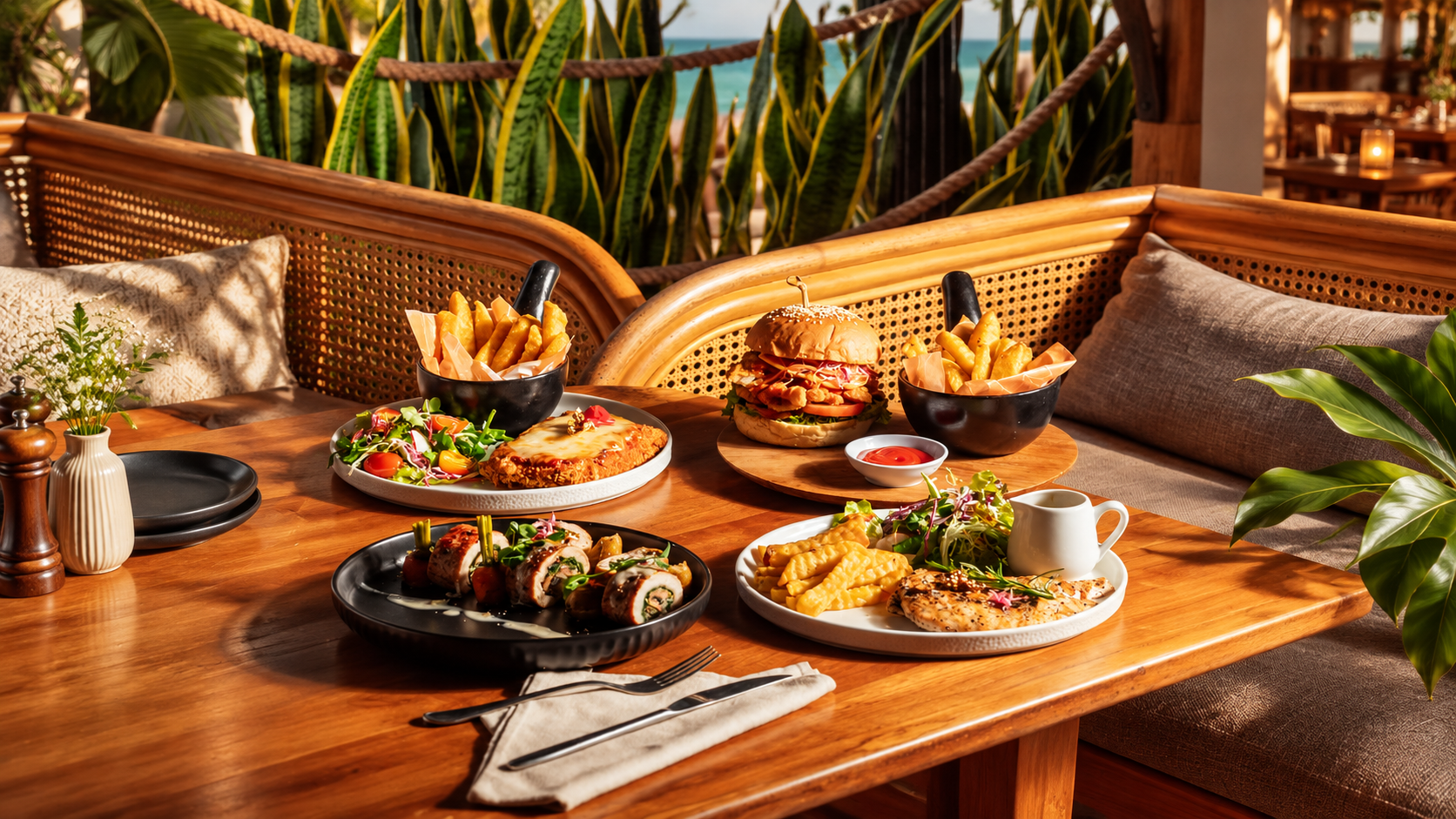
Some dishes deserve more attention than others. A star item usually performs well on both popularity and profitability. These are the dishes customers already love and the restaurant benefits from selling. Your star items may deserve:
Better menu placement
Stronger photography
More prominent descriptions
Staff recommendations
Social media promotion
Google photos
Website visibility
Inclusion in combos
Amello can help restaurants identify these strong-performing items so they receive the visibility they deserve. If a dish already performs well, the question becomes:
How can we help more customers discover it?
3. Find High-Margin Items That Customers Are Missing
Not every profitable dish is popular.
Sometimes a strong-margin item performs poorly simply because customers do not notice it.
Maybe:
It is buried at the bottom of the menu
The description is weak
The photo is unappealing
The name is unclear
Staff rarely recommend it
It appears in the wrong category . This is an important distinction. The item may not be bad. Its visibility may be bad. With Amello, restaurants can identify items that deserve more attention based on real performance data.
Then you can test:
Better placement
Better naming
Improved photography
New descriptions
Pairing with popular items
Staff recommendations
Menu optimization is often about improving discovery before removing the dish.
4. Remove or Fix Items That Are Not Working
Every menu contains weak performers. Some dishes sell rarely. Some create operational complexity. Some use ingredients that are difficult to manage. Some have low margins.
Some receive poor feedback. But removing an item should not be an automatic decision.
First understand why it is underperforming.
Ask:
Is the item hard to find?
Is the description unclear?
Is the pricing wrong?
Is the presentation weak?
Is demand seasonal?
Is the dish too similar to another item?
Does it perform better on one channel than another?
Amello can help restaurants spot declining or low-performing menu items and investigate them before making changes. Sometimes the answer is removal.
Sometimes the answer is repositioning.
5. Organize Your Menu So Customers Can Decide Faster
A menu with too many choices can make ordering harder. Customers should be able to scan the menu and understand:
What each section contains
Which dishes are popular
What makes items different
What fits their preferences
What is worth trying
Use clear categories.
For example: Starters, Mains, Breads, Rice, Desserts, Beverages
Avoid creating unnecessary categories that force customers to think too much.
You can also use small cues such as:Chef's Recommendation
Bestseller
Signature
New
Spicy
Vegetarian
The goal is to help customers move through the menu naturally. Amello can help restaurants understand which categories and items customers already prefer, making menu structure more informed.
6. Write Better Menu Descriptions
A menu description should help customers imagine the dish.
Compare: Paneer Tikka with Chargrilled paneer marinated with yogurt, Kashmiri chili, and aromatic spices, finished in the tandoor. The second gives the customer more information and creates appetite. Good descriptions should be:
Clear
Specific
Easy to read
Consistent
Appetite-inducing
Avoid unnecessarily complicated language. The purpose isn't to sound sophisticated.
It is to help customers understand what they are ordering. If Amello shows that an item has strong potential but weak sales, improving the description may be one of the first things worth testing.
7. Use Better Food Photography
Customers eat with their eyes first. This matters especially on:
Online ordering menus
Restaurant websites
Google
Social media
Delivery platforms
A weak photograph can make a great dish look unappealing. A strong photograph can help customers understand portion, presentation, and quality.
Focus photography on:Bestsellers
Signature dishes
High-margin items
New launches
Items customers may not immediately understand
Do not use heavily edited or unrealistic images. Customers should receive something close to what they saw. Amello can help identify which items deserve stronger visual promotion based on actual menu performance.
8. Use Pricing More Intelligently
Menu pricing should not be based only on:
Food cost + desired margin.
You also need to consider:
Customer willingness to pay
Competitor pricing
Portion size
Restaurant positioning
Item popularity
Perceived value
Menu category
A dish priced too low may reduce profitability.
A dish priced too high may reduce demand.
You can also use price architecture.
For example:
Classic Pasta — ₹450
Truffle Mushroom Pasta — ₹575
Chef's Signature Pasta — ₹650
This gives customers clear choices.
Amello can help restaurant owners understand how different price points perform and whether customers are shifting toward premium or lower-value options.
9. Create Smart Item Pairings
Customers naturally buy certain items together.
For example:
Pizza + Garlic Bread
Biryani + Raita
Burger + Fries
Coffee + Dessert
These patterns can become valuable menu opportunities.
Use them to create:
Add-on suggestions
Combos
Pairing recommendations
Staff scripts
Online ordering prompts
This can improve average order value without making the customer experience feel aggressive.
Amello can help restaurants identify item patterns and understand which dishes are already performing together.
The best menu recommendation often comes from observing customer behaviour.

10. Highlight Add-Ons at the Right Moment
Customers may want more than one item.
They just need help discovering it.
A customer ordering pasta may also want:
Garlic bread
Soup
Salad
Beverage
Dessert
A customer ordering biryani may also want:Raita
Kebab
Beverage
The recommendation should be relevant. Avoid showing too many options at once.
Amello can help restaurants understand which add-ons customers already purchase with particular items. This makes recommendations more useful and less random.
The question should be: “What makes this meal better?”
not: “How can we force the bill higher?”
11. Use Menu Engineering for Different Channels
Your dine-in menu does not always need to behave exactly like your delivery menu.
Some items:
Travel well
Have strong margins
Perform well in delivery
Perform poorly after transport
Sell better in dine-in
Require too much packaging
This means menu optimization should consider channel.
A dish that is successful in dine-in may not be ideal for delivery.
A delivery bestseller may not need the same visibility inside the restaurant.
Amello can help restaurants compare item and sales patterns across relevant channels so menu decisions can become more specific.
12. Optimize Your Menu for Mobile Ordering
Many customers now see your menu on a phone before they ever speak to your staff.
That changes how menus should be designed.
Customers should be able to:
Understand categories quickly
See attractive item images
Read descriptions easily
Find bestsellers
Add relevant extras
Complete an order without unnecessary steps
Avoid:Extremely long menus
Tiny images
Long paragraphs
Confusing categories
Too many pop-ups
Endless scrolling
A menu should reduce decision friction.
Amello can help identify which items deserve priority so your digital menu focuses attention where it matters most.
13. Promote New Menu Items Properly
A new menu item should not simply appear quietly on page four of the menu.
Launch it.
Use:
Social media
Staff recommendations
Google posts
WhatsApp
Website banners
Table cards
Sampling
Then measure what happens.
Did customers order it?
Did they reorder it?
Did it increase average order value?
Did it cannibalize another item?
Amello can help restaurants track new item performance and understand whether the launch is actually working.
14. Use Customer Feedback to Improve the Menu
Customers constantly give you menu research.
They tell you:
“This portion is too small.”
“This is too spicy.”
“We loved the dessert.”
“The dish looked different from the photo.”
“We miss the old version.”
Don't treat these comments only as reviews. Use them to improve the menu. Repeated positive feedback may identify a dish worth promoting. Repeated complaints may identify an item that needs work. Amello can help restaurants think about reviews, customer feedback, and performance together rather than separately.
15. Review Menu Performance Regularly With Amello
Menu optimization is not a one-time project. Customer preferences change. Ingredient costs change. Seasonality changes. Competitors change. New dishes grow.
Old dishes decline. Use Amello to review menu performance regularly.
Which Items Are Growing?
These may deserve more visibility.
Which Items Are Declining?
Investigate why demand has changed.
Which Items Are Profitable but Hidden?
Improve positioning, recommendations, and marketing.
Which Items Are Frequently Ordered Together?
Turn them into smarter pairings or combos.
Which Items Are Creating Operational Complexity?
Evaluate whether they still deserve menu space.
This turns menu management into a continuous growth process.
Use Amello to Turn Menu Data Into Action
The challenge is not simply having menu data. Most restaurants already have sales numbers. The challenge is understanding what those numbers mean.
Amello helps restaurants move from: “This dish sold 300 times.”
to: “This dish is growing, performs strongly on weekends, is frequently paired with a beverage, and deserves more visibility.”
Amello Helps Identify Top-Performing Items
Understand which dishes contribute strongly to restaurant sales.
Amello Helps Spot Slow Movers
See which items may need attention.
Amello Helps Understand Item Trends
Know whether demand is rising, stable, or declining.
Amello Helps Surface Pairing Opportunities
Understand which items can support smarter combinations.
Amello Helps Turn Insights Into Tasks
The goal is not more charts.
The goal is deciding what to change.
Build a Weekly Menu Optimization Routine With Amello
Use Amello each week to ask:
What Changed?
Which dishes gained or lost demand?
Why Did It Change?
Was it seasonality, pricing, availability, marketing, customer preference, or another factor?
What Deserves More Visibility?
Identify strong items that could perform even better.
What Needs Fixing?
Look at poor descriptions, pricing, photos, placement, or declining demand.
What Should We Change Next?
Choose a specific action. Instead of: “Improve the menu.”
Try: “Move our highest-margin vegetarian starter into the recommended section and give it a new photo.” Instead of: “Push desserts.”
Try: “Recommend our two most frequently ordered desserts after the three bestselling mains.” This is the Amello approach:
Understand → Prioritize → Optimize → Measure.
Restaurant Menu Optimization Comes Down to Four Things
Understand What Customers Actually Order
Use real sales and item behaviour, not assumptions.
Make Strong Items Easier to Discover
Better placement, descriptions, photography, and recommendations can help.
Remove Friction From Choosing
A clear menu helps customers decide faster and with more confidence.
Use Amello to Keep Improving
Menu performance changes over time. Amello helps restaurants continually identify what deserves attention.
Your Menu Should Sell, Not Just List
A restaurant menu should help customers make good decisions. It should guide them toward dishes they are likely to enjoy while supporting the restaurant's revenue and profitability. That requires more than design. It requires understanding What is selling?
What is slowing down? What is profitable? What is hidden? What do customers buy together? What deserves more visibility? That is where Amello fits in.
Amello helps restaurants connect menu performance with customer behaviour and restaurant growth so owners can make smarter menu decisions. Instead of asking:
“Does our menu look good?” ask:
“Is our menu helping customers choose better and helping our restaurant sell more?”
That is the real goal of menu optimization.
Frequently Asked Questions
What Is Restaurant Menu Optimization?
Restaurant menu optimization is the process of improving menu structure, pricing, item visibility, descriptions, photography, and recommendations using customer behaviour and menu performance data.
How Can Amello Help With Menu Optimization?
Amello helps restaurants understand item performance, sales trends, customer behaviour, slow movers, and menu opportunities so owners can identify what to promote, fix, or review.
How Can a Restaurant Menu Increase Sales?
A menu can increase sales by making strong items easier to discover, improving descriptions and photographs, using relevant add-ons, creating smart pairings, and helping customers make decisions faster.
Should Restaurants Remove Low-Selling Items?
Not automatically. First understand why the item is underperforming. It may need better placement, pricing, photography, or positioning. Amello can help identify whether an item is declining or simply not getting enough visibility.
How Often Should a Restaurant Update Its Menu?
There is no fixed schedule for every restaurant. Menu performance should be reviewed regularly, especially when sales patterns, customer preferences, pricing, or ingredient costs change. Amello can help make this review an ongoing process instead of an occasional redesign.
See what Amello finds for your restaurant.
Get a free AI growth audit of your listing, reviews and local search presence.
Find my Restaurant